

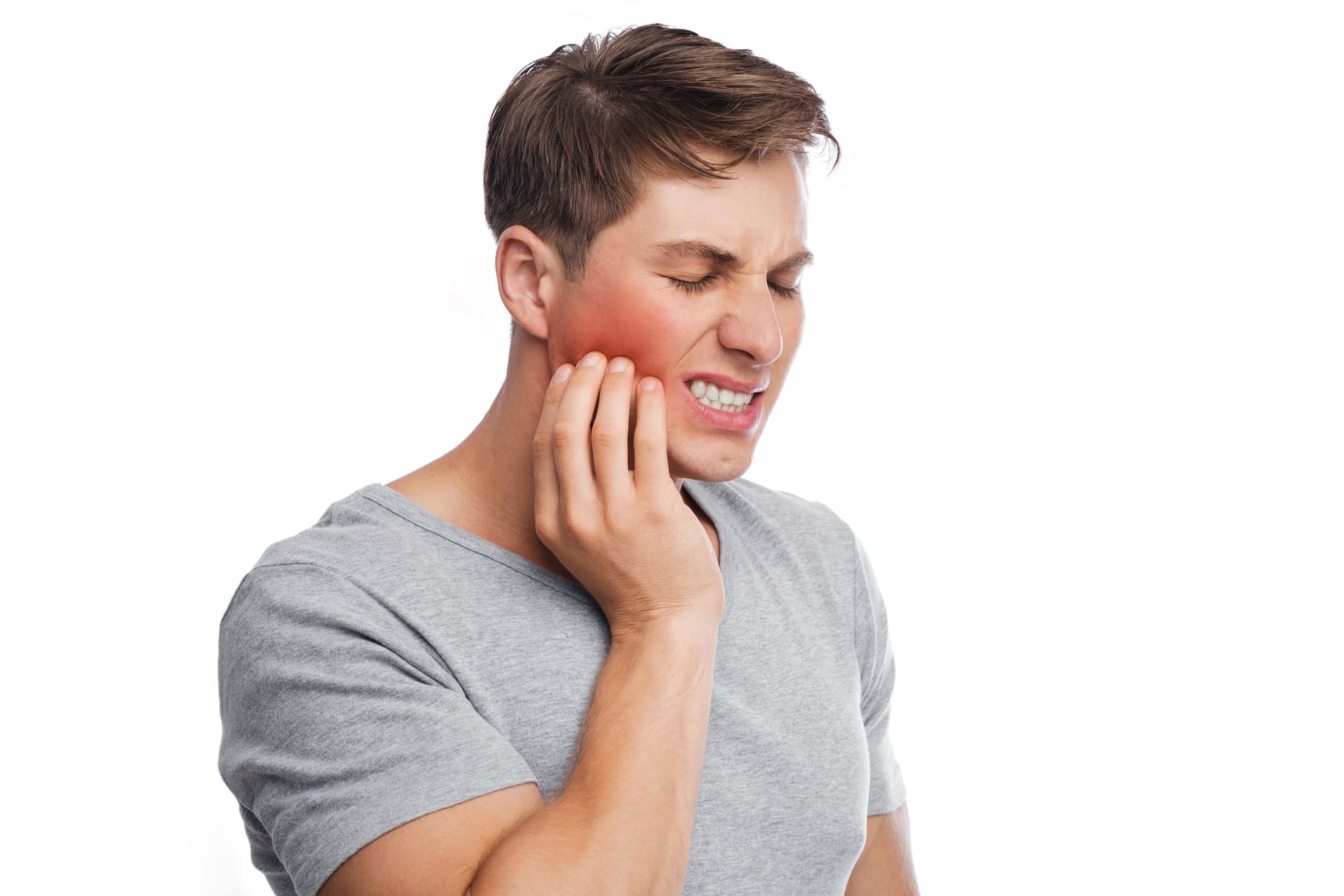

Temporomandibular joint disorders affect a significant share of the adult population in the United Kingdom, with clinical estimates suggesting that as many as one in fifteen adults experience TMJ-related pain or dysfunction. According to the Royal College of Surgeons, these conditions rank as the second most common cause of orofacial pain after toothache, placing them among the most frequently reported jaw and facial disorders.
Despite their prevalence, TMJ disorders are often underdiagnosed or treated late, in part because symptoms can overlap with headaches, ear pain, and neck tension. In recent years, clinical guidance increasingly recommends conservative, non-surgical management, as a growing body of knowledge shows most cases improve without invasive intervention when underlying contributors are addressed early.
What Causes TMJ Disorders
Primary Causes of TMJ Dysfunction
TMJ disorders stem from a complex interplay of physical, emotional, and structural factors that place excessive stress on the temporomandibular joint. Jaw injury represents one of the most direct causes, whether from trauma such as a broken jaw, dislocation, or impact injury from sports or accidents. These acute injuries can disrupt the delicate alignment of the joint components, leading to ongoing dysfunction even after the initial injury heals.
Bruxism (teeth grinding and clenching) ranks amongst the most common contributing factors, often occurring unconsciously during sleep or periods of stress. This repetitive muscle activity places tremendous pressure on the TMJ, gradually wearing down protective structures and inflaming surrounding tissues. The condition frequently goes undiagnosed for years, with patients only becoming aware when secondary symptoms like jaw pain or tooth sensitivity develop.
Arthritis can affect the TMJ just like any other joint in the body, with osteoarthritis causing gradual cartilage breakdown and rheumatoid arthritis creating inflammatory damage. Additionally, bite misalignment forces the jaw into unnatural positions during normal activities, creating chronic stress patterns that overwhelm the joint’s adaptive capacity. Poor posture, particularly the forward head position common in modern desk workers, also contributes by altering the mechanical relationship between the skull and jaw.
Recognizing Common Symptoms
TMJ dysfunction manifests through a distinctive constellation of symptoms that often extend far beyond simple jaw pain. Jaw discomfort typically presents as a deep, aching sensation that may be constant or intermittent, often worsening with jaw movement or pressure. Many patients describe a feeling of tightness or stiffness, particularly noticeable upon waking or after periods of stress.
Audible joint sounds including clicking, popping, or grinding noises during jaw movement serve as important diagnostic indicators. While occasional joint sounds aren’t necessarily pathological, persistent or painful clicking warrants professional evaluation. Some patients experience jaw locking, where the mouth becomes temporarily stuck in an open or closed position, indicating significant joint dysfunction.
The ripple effects of TMJ disorders create symptoms throughout the head and neck region. Headaches and migraines frequently accompany TMJ dysfunction, often concentrating around the temples and base of the skull. Earaches, tinnitus (ringing), and hearing changes occur due to the TMJ’s proximity to the ear canal. Neck and shoulder pain develop as surrounding muscles compensate for jaw dysfunction, creating a cycle of tension that can extend throughout the upper body.
Conservative Treatment as First-Line Care
London-based Hito Holistic Health shares the most common treatment strategies that address the root causes of TMJ disorder.
Physical Therapy and Manual Techniques
Physical therapy forms the cornerstone of evidence-based TMJ treatment, offering targeted interventions that address both symptoms and underlying dysfunction. Therapeutic exercises focus on strengthening the muscles around the jaw joint while improving range of motion and coordination. These carefully prescribed movements help restore normal jaw mechanics and reduce compensatory patterns that perpetuate pain.
Manual therapy techniques provide immediate relief while facilitating long-term healing. Skilled physiotherapists employ gentle mobilisation techniques to improve joint movement and reduce stiffness. Trigger point therapy targets specific muscle knots that contribute to jaw tension and referred pain patterns, while soft tissue massage promotes circulation and muscle relaxation.
Modern physiotherapy also incorporates advanced modalities such as ultrasound therapy to deliver deep heat that relaxes tight muscles and promotes tissue healing. TENS (Transcutaneous Electrical Nerve Stimulation) provides gentle electrical currents that interrupt pain signals and encourage the release of natural endorphins. These evidence-based approaches work synergistically to reduce inflammation, improve function, and accelerate recovery.
Custom Mouthguards and Splint Therapy
Oral appliances represent a highly effective non-surgical intervention for managing TMJ disorders, particularly when bruxism contributes to symptoms. Custom-fitted mouthguards protect teeth from grinding damage while repositioning the jaw into a more comfortable alignment during sleep. Unlike over-the-counter options, professionally crafted appliances ensure proper fit and therapeutic positioning.
Splint therapy goes beyond simple protection, actively working to decompress the TMJ and relax surrounding muscles. These devices are precisely calibrated to each patient’s bite pattern and therapeutic needs. Stabilisation splints help establish proper jaw positioning, while repositioning splints gradually guide the jaw into improved alignment over time.
The effectiveness of oral appliances depends heavily on proper design and ongoing adjustments. Professional monitoring ensures optimal therapeutic benefit while preventing potential complications such as bite changes or tooth movement. Many patients experience significant symptom relief within weeks of beginning properly supervised splint therapy.
Conservative Management Approaches
Conservative management strategies provide the foundation for successful TMJ treatment, focusing on reducing stress to the joint while supporting natural healing processes. Dietary modifications play a vital role, with patients advised to avoid hard, chewy, or excessively large foods that require extensive jaw opening or forceful chewing. Soft, nutrient-rich foods reduce mechanical stress while maintaining proper nutrition.
Stress management techniques address the psychological and emotional factors that often exacerbate TMJ symptoms. Mindfulness practices, deep breathing exercises, and progressive muscle relaxation help break the cycle of stress-induced muscle tension. Sleep hygiene improvements ensure restorative rest while minimising overnight bruxism.
Activity modification involves identifying and eliminating habits that aggravate TMJ dysfunction. Common culprits include gum chewing, nail biting, pen clicking, and excessive jaw opening during yawning or laughing. Patients learn to maintain proper jaw posture with teeth slightly apart and the tongue resting gently on the palate. Heat and cold therapy provide symptomatic relief, with warm compresses relaxing muscles and cold applications reducing acute inflammation.
Supportive Self-Management Strategies
Dietary Modifications and Stress Reduction
Nutritional strategies for TMJ management extend beyond simply avoiding hard foods to include anti-inflammatory eating patterns that support healing. Foods rich in omega-3 fatty acids, such as fatty fish, walnuts, and flaxseeds, help reduce systemic inflammation that can exacerbate joint dysfunction. Magnesium-rich foods, including leafy greens, nuts, and whole grains, support muscle relaxation and may reduce nighttime bruxism.
Meal preparation techniques become therapeutic interventions when adapted for TMJ patients. Cutting foods into smaller pieces, choosing softer cooking methods like steaming or braising, and avoiding extremes of temperature help minimise jaw stress during eating. Hydration plays a vital role, as dehydration can increase muscle tension and reduce the joint’s natural lubrication.
Stress management requires a multi-faceted approach that addresses both acute stressors and chronic tension patterns. Mindfulness meditation helps patients develop awareness of unconscious jaw clenching, while breathing exercises activate the parasympathetic nervous system to promote relaxation. Regular stress-reduction practices create lasting changes in the nervous system’s response to daily challenges.
Jaw Exercises and Heat/Cold Therapy
Therapeutic exercises for TMJ focus on gentle, controlled movements that promote healing without aggravating symptoms. The goldfish exercise involves placing the tongue on the roof of the mouth while gently opening and closing the jaw, promoting coordinated movement patterns. Resistant opening and closing exercises use gentle finger pressure to strengthen jaw muscles while maintaining proper alignment.
Range of motion exercises include controlled side-to-side and forward jaw movements that maintain joint flexibility without forcing painful ranges. These exercises should be performed slowly and mindfully, stopping immediately if pain increases. Consistency proves more important than intensity, with short, frequent exercise sessions providing better results than aggressive stretching.
Thermal therapy applications require careful timing and technique for optimal benefit. Heat therapy works best for chronic muscle tension, using warm compresses for 15-20 minutes to promote circulation and muscle relaxation. Cold therapy effectively manages acute inflammation and pain, particularly after dental procedures or injury. Alternating heat and cold can provide relief for complex symptom patterns.
When Surgical Treatment Is Considered
Guidelines from organizations such as the National Institute of Dental and Craniofacial Research recommend conservative management before considering surgical intervention. Research consistently indicates that approximately 80 to 90 percent of individuals experience meaningful improvement without surgery when non-invasive treatments are appropriately implemented.
Surgical options are generally reserved for cases involving significant structural abnormalities, such as advanced joint degeneration or ankylosis, and are considered only after extended conservative care has failed. Even in these situations, minimally invasive procedures are typically favored due to lower complication risks.
Potential surgical complications, including permanent bite changes and nerve injury, reinforce the emphasis placed on early, non-surgical intervention.
Why Early Identification Matters
TMJ disorders are more likely to become chronic when left untreated. Early identification and conservative care improve the likelihood of symptom resolution and reduce the risk of long-term dysfunction. As clinical understanding of TMJ conditions has advanced, treatment models increasingly emphasize multimodal approaches that address mechanical, muscular, and behavioural contributors together.
